
• Skip to primary navigation
  • Skip to main content
  • Skip to primary sidebar
  • Skip to footer

GR8TR Today Magazine

Living a GR8TR Life Every Day

  • Home
  • Living
  • House & Home
  • Health & Fitness
  • Food
  • Money
  • Travel
  • Work & Business
  • Local Job Search

GR8TR

Healthy Banana Oatmeal Pancakes

We used to make pancakes a couple of times per month as a treat. However, when my daughter started taking college classes she was in class from 8:30 to 2:00 without time to eat a meal. So instead of the normal oatmeal breakfast, I looked for something that would keep her feeling more full while still being more healthy than many of the options. That is when I invented this healthy banana oatmeal pancake recipe which has worked out very well.

To begin with, do not buy that pancake mix at the store. All it is is flour, baking powder and some dried ingredients like powdered milk. You are going to be surprised how easy it is to make your own pancake batter and it is also going to replace a lot of flour with oatmeal and banana, to make tastier, healthier and moister pancakes.

When I say healthy, I do feel the need to point out that it all depends on what you are comparing it to. I tried to use whole wheat flour and plain oatmeal, and it was a healthier pancake recipe but the people who were eating them did not like pancakes as much. I found this happy in-between where the pancakes are healthier and the pancake syrup is healthier. You could go more extreme but you have to find a good balance for your family.

As mentioned earlier, you can keep this dish much more healthy by avoiding things like store-bought syrup. Instead, make your own healthy berry syrup and top the pancakes with fresh sliced strawberries or mango chunks. A couple of sprays of whipped cream can make it seem, decedent, while only adding 15 calories per serving.

Print Recipe

Healthy Banana Oatmeal Pancakes

This Banana Oatmeal Pancake recipe cuts back on the white flour and substitutes oatmeal and bananas to make a more tasty and healthier version of this breakfast favorite.
Prep Time10 minutes mins
Cook Time10 minutes mins
Course: Breakfast
Cuisine: American
Keyword: vegetarian
Servings: 2 people
Cost: $3

Equipment

  • Stove and Pan

Ingredients

  • 1 Packet Instant Oatmeal any flavor
  • 2 tbsp White Flour
  • 1 Banana Ripe
  • 1/2 tsp Baking Powder
  • 1/4 Cup Milk
  • Butter or Oil for pan

Instructions

  • Blend dry ingredients in mixing bowl
  • Blend dry ingredients in mixing bowl
  • Add milk to dry mix and stir
  • If consistency seems too thick, add small amounts of milk or water and remix until batter consistency
  • Wipe butter or light oil on nonstick pan. Begin to heat on medium heat
  • Add pancake sized pours onto pan. Flip when golden on one side and beginning to have air bubbles on uncooked side.
  • Cook on other side added 1-2 minutes until both sides golden
  • This recipe makes 4-8 pancakes depending on size. Feeds two people.

Notes

A medium heat is important, to get them golden, cooked in the middle and not burned.

This Healthy Banana Oatmeal Pancake recipe can also be a nice night time snack if you are hungry for something sweet and carb-rich, without completely throwing your healthy diet to the wind. We often keep a few leftover pancakes in the fridge and call them our emergency pancakes, for when someone is hungry and wants to grab a quick bite.

Discovering Indian Food

I recently asked someone to write up a description of some different Indian meals that Indians like. Not just what is popular in Indian restaurants. I love Indian food, and I make some curries, some Tikki Masala Chicken in the Instapot and Naan is wonderful. But I do not pretend to know enough. Here are six recommended dishes, which you might be able to try at an Indian restaurant or you can look up a recipe and try to make it yourself if you feel adventurous.

INDIAN DISHES OF DELIGHT: SIX YOU WILL DEFINITELY WANT TO TRY!

Let’s face it, food is a gift. Not only are certain foods satisfying, but the nutritional value important to us being healthy. This includes many Indian dishes.

Moreover, Indian dishes can be downright delicious. Have you ever traveled a bit out of your way just to get to a restaurant that makes a superb meal? It is well worth it. Sometimes, word of mouth can have a diner venture out to try some new food items. If you have not tried Indian dishes, it is time to give it a go.

Indian food is not only succulent but is born out of an ancient civilization that dealt in spices and herbs. There are six savory meals which you should try! Indian cuisine is healthy, tasty, and exotic. You will certainly not be disappointed. Step out of your comfort zone, and try the dishes listed below. It will be like a virtual trip to the sub-continent of India! Food is tantamount to travel.

MURG MAKHANI-BUTTER CHICKEN

Butter Chicken or Murg Makhani is one of the most delicious dishes in the Indian world. It is sold around the world, and people find it one of the best curry dishes one can make. It can easily be made in the comfort of your own kitchen. The chicken comes out golden and is covered with a blanket of creamy sauce that creates a dish good enough for a rajah.

To make this chicken you need to let it sit in a yogurt marinade. This will make it juicy! The next thing to do is to create a buttery sauce with cream and add in the curry. Now some people like to start creating the sauce with half oil and half butter. When you add the cream you will see the delightful texture of the sauce come to life. This is a delicious old recipe from Northern India but is known throughout the globe, especially in London.

TANDOORI CHICKEN

Well, Tandoori Chicken is one of those dishes you will never forget. It is cooked in a clay pot called a Tandoor. It is made with a spicy marinate that can be smoky, too.

Just imagine your chicken cooked in a marinade of spiced lemon and Greek yogurt. The smoky flavor is derived from paprika and other spices, from ginger to garlic. When you create this dish at home, you understand why clay pots give food a distinctive flavor. Where would we be without pottery? It gives Indian dishes the smoky savory flavor which metal pots simply cannot do!

That said, there are many Instapot Tandoori Chicken recipes you can try that can get you into the ballpark, although not as traditional.

ROGAN JOSH (RED LAMB)

Red Lamb or Rogan Josh is a lamb that is prepared so exquisitely everyone will enjoy it. It is made with a sauce that is sautéed with onions in a caramelized broth or ghee. Another flavor in Red Lamb is Cardamom and clove. Now to cook lamb, take a lean piece and cook it at 450 degrees F. Then, turn down the temperature to 350F until the lamb is tender. The sauce is what creates the flavor. Remember to buy uppercuts of lamb, as they will be tenderer!

KAALI DAAL

Looking for a truly nourishing Indian dish? Try Kaali Daal. It is a lentil dish you will want to make over and over again. First, be sure to soak the lentils overnight so they soften up! Buy the black lentils if available. Cook them with spices, cream, and tomatoes. Black lentils are low in fat and very high in protein. If you’ve soaked them overnight, cook them in a skillet for at least 30- 40 minutes. You can add broth, too. This is definitely what is known as an Indian comfort food and a popular dish.

CHOLE (CHICKPEA CURRY)

Are you looking or a quick and healthy Indian dinner for tonight? Make Chickpea Curry! It can be made with different variants, but it is definitely a go-to meal. This dish can be made in 20 minutes and is a plant-based dish.

Sauté onion, garlic, fresh ginger and tomatoes in a skillet. Then, add chickpeas and coconut milk to create a creamy dish. Let the heat do the rest. The cooking should not be more than 20 minutes, but can even be done in as little as 10-15 minutes. The chopping of the veg takes about 10 minutes, and the whole dishes cook up in about ten. It is a plant-based dream!

PALAK PANEER

Palak Paneer is another amazing dish. It is made with a creamy spinach gravy and cottage cheese. Eat this with roti or rice. it will provide you with a flavor that is exotically delicious. You can blanch the spinach or fry it. The frying makes the spinach more savory, although blanching does save the nutrients. Happy eating!

By trying these six dishes you will appreciate the wonderful cuisine of India. It is an ancient civilization, and they have been creating wholesome delicious food for centuries. Bon appétit!

Also, you can learn a lot from Indian cooking. Check out my Leftover Turkey Curry recipe which is not traditional at all but is delish.

allergy

Reduce Seasonal Allergy Symptoms Naturally

allergy

Every year, if you have seasonal allergies, you know exactly when things start to bloom.  Your eyes start to itch, and you feel that tingle in your nose and throat.  There is not one perfect strategy to reduce or eliminate allergy symptoms.  Each person is a little bit different, and for anyone who spends more time outdoors, their symptoms will be more severe than a person staying inside an air-conditioned home.  However, we have compiled a list of things to help you reduce your allergy symptoms.  Many of these tips, if done well, can help you minimize many of the bad symptoms you experience and help you feel better.

According to the American College of  Allergies, Asthma & Immunology(acaai.org) there are more than 50 million Americans that suffer from allergies each year. The cost to alleviate those allergies cost over $18 billion yearly, and the severity and symptoms varied considerably among the sufferers.

Popping pills every few hours to alleviate allergy symptoms is not recommended for anyone.  There are natural remedies for allergy sufferers to ease their stuffy, runny nose, sneezing, watery eyes and itching of the nose, and throat. Some of these natural remedies will help ease to varying degrees some of the worst symptoms. Here is a comprehensive list of things you can do to reduce your seasonal allergy symptoms.  Individually, none of these tips are a cure-all but can be used as a comprehensive strategy to greatly reduce your seasonal suffering.

Keep Windows Closed

We all want some fresh air when things warm up, but if it is allergy season for you, keep those windows closed.  If you must open windows for some fresh air, consider opening them during a light rainfall, or right after, for a short while.  The rain can help wash away pollen and reduce airborne allergens.

Air Conditioning and Filter

If your windows are closed, you are going to get hot.  The AC is an allergy sufferer’s best friend.  And if you buy a good filter that filters out allergens, you can stay cool and keep your air in your home clear of pollen.

Netty Pot – Nose Bidet

Flushing your nose with a warm saline solution 2-3 times a day will give you immediate relief from itchy eyes and other allergy symptoms.  These can be bought at the drug store.  Make sure you boil water first, and let it cool to a comfortable temperature. 

Local Honey

Some people swear by local honey.  The thought process is that the honey will contain the pollen in the area, and will help your body build up an immunity to it, thus reducing allergies.  I have never tried this enough to see if it works or not, but it seems something worth trying if you like honey in your tea anyway.

Change Clothes

Pollen will come into your home in your hair, on your clothes, and on your shoes.  The more often you change things and wash things the better.  When you come in from doing something outside, consider changing to indoor clothing right away and isolate the outdoor clothing in a laundry area or a basket.

Change Towels

While it is great to use towels multiple times to reduce water usage, it can be bad during allergy season.  As your towel gets more pollen on it, drying your face with it becomes a terrible idea.  During allergy season, change your hand towels every day, and your bath towels every 2-3 days.

Clean Shoes

Shoes are the worst culprits for tracking pollen from the outside.  If you can, keep shoes in a garage or isolated area.  Frequently clean them and the floor where you keep them. Do not walk around the house wearing your shoes you wear outside.

Vacuum (Home, Car, Furniture)

The floor will get allergens on it no matter how hard you try.  Mopping and sweeping is essential, and an easy task if you do it daily.  Be especially careful of carpeted areas, like inside the car, on carpeted steps and even cloth-covered furniture.  Leather furniture might even be a better choice for someone with bad allergies.

Window Treatments

Curtains are hard to clean frequently.  If you have bad allergies, consider blinds that can be quickly dusted.  This helps keep those allergens out of the home because they cannot build up in the curtains.

Wash Dog

If you have a dog, allergy season is a good time for a lot of baths, or at least being sprayed with the hose frequently.  Depending on the breed, a dog can collect and bring in a lot of allergens.  Choose your dog breed carefully and keep their hair short and clean during allergy season.

Shower and Wash Face

Getting allergens off of you is critical. You do not want to go to sleep with them in your hair or on your face, especially. Take showers in the evenings, and rinse off after you come in from outside activities. If you cannot shower, at least wash your face and hands well.

Generic Claritin

Lastly, while this is not a “natural” remedy for seasonal allergies, I consider this a great tip.  Claritin works well for reducing allergy symptoms, but it is expensive.  Most people do not realize that there is a generic form that you can buy on Amazon or sometimes at your pharmacist that is under $10 for 100 tablets.  There are different names and brands, but the savings are incredible.

Natural options  are the best choice for your allergies, but when symptoms become intolerable , keeping a bottle of allergy pills on hand to ease your symptoms can be an option too.

Instapot Benefits

So on my advice, several family members have bought Instapots. However, I frequently see that they do not feel comfortable using them frequently and do not understand the benefits of the Instapot. Here are the biggest benefits I have found.

Speed of Cooking

The Instapot cooks some things that take a long time much faster. Examples are beans, rice, potatoes and larger pieces of meat. Making your own beans is the best example. If you soak them, then what used to take an hour will take 15 minutes more or less.

Tenderness of Meats

You can cook most meats in the Instapot and have it come out very tender in under a half-hour. Roasting in the oven would take much longer to achieve the same thing. And then you can shred the meat and pan-fry it later to make it more crispy and add it to dishes. We make Mexican Street Tacos this way all the time.

Soups and Broths

It is much easier to make soups and broths as well. Simply buy chicken thighs when they are on sale and make your own chicken broth with a couple of thighs, garlic, onion, and salt. You can then freeze containers of broth for later use in soups that are very simple to make in the Instapot.

Soaked lentils and vegetables will make a great soup with this stock in a very short period of time. Add rice if you want it thicker.

Easy Cleanup

As long as you use enough liquid in the pot of the Instapot, it is always an easy thing to clean. The lid is usually clean other than some steam or water and can be quickly washed and the pot rarely has anything stuck to it.

Rice

Making rice in the Instapot is easy and it comes out very nicely. You can use water or that chicken stock we made earlier and if you have the right measurement and the right time, it comes out perfectly. Faster and easier than the stovetop. I frequently get the rice going in the Instapot while I use the wok to saute the vegetables for a veggie fried rice. It is better to do it earlier to have the rice cold, but it works fine at the last minute as well.

Squash and Sweet Potatoes

Those hard vegetables like potatoes, sweet potatoes, and squash can be cooked much faster as well. Cube them up and add them with some liquid and they will be soft and ready to eat in much less time.

You do not have to do everything in the Instapot when you get one. Cakes, no. Hard-boiled eggs? Not our favorite in the Instapot. But the list above alone makes it a great purchase.

The Athlete Advantage For Your Recruiting Needs – Interview with Kevin Dahl

Following a 14-year professional hockey career that spanned the NHL and the Olympics, Kevin Dahl found himself quickly transitioning to the entrepreneurial world. In 2009, he co-founded NexGoal, a national recruiting firm with a niche in finding and placing former athletes from all levels of competition into new careers.

NexGoal works directly with both clients and candidates to take the stress out of the job search for all parties involved. Many of their corporate clients share the belief that individuals who exhibit the core values of confidence, persistence, time management, and coachability make up their best employees.

 Mike Stone (L) of PAFI and Kevin Dahl (R) at the NHL Alumni Symposium

Recently, I had the opportunity to interview Kevin and learn more about NexGoal’s recent success and what’s in store for 2022 and beyond.

Question: How has your athletic experience translated into the business world? How have you leveraged your experience as a professional athlete towards a career in recruiting?

Kevin: I found my journey in entrepreneurship to be similar to my athletic career in terms of the effort required and the adversity I faced. Athletes need persistence, work ethic, drive, leadership, and coachability to be successful at their chosen sport, and those same tenets are valuable in the business world.

My hockey tenure also taught me how to manage people and teammates effectively and what it truly means to be a part of a team. The importance of building a winning team full of true competitors is equally as vital as with any sports team. Hockey is a long season that, like recruiting, requires a consistent, daily effort.

Recruiting is about attention to detail, which plays a major role when comparing one’s natural ability with the intentionality and effort it takes to succeed. Winning in sports AND being on a good team requires a lot of concentration on small details. Natural ability alone can only get you so far but combined with the hunger to learn and ‘practice makes perfect’ mentality, the sky’s the limit.

Question: What first attracted you to starting NexGoal?
Kevin: When I retired from the game and started looking for jobs I had to go through the experience of putting together a resume and reaching out to people to help me. I didn’t have a lot of experience in those areas and learned there were a lot of athletes in the same boat.

After my experience in putting together a resume and putting my skills on paper without real-world experience, I realized I could help others do the same. That eventually led to starting NexGoal.

Question: What were the greatest challenges you faced working in recruiting as a result of COVID-19? What adjustments have you made in lieu of remote and hybrid workplaces?

Kevin: COVID-19 caused a lot of industries to rethink how they conducted their day-to-day business, and we were no exception. Through trial-and-error, we learned how to rely on technology like Zoom and adapt to our team working remotely. We were able to adapt to a new way of working with zero turnover. Because we had first-hand experience, our recruiting team could relate to organizational needs, and we knew what our clients were looking for.

The pandemic caused what many call the “Great Resignation,” where workers reevaluated their careers to find something that better aligned with their values. Our own research found that a good culture and feeling valued made workers the happiest, so we’ve become more thorough in our initial conversations and write-ups with new clients.

Question: In what industries and positions has NexGoal experienced your greatest growth?

Kevin Dahl, NexGoal 

Kevin: We reinvented our client list in wake of the pandemic. Based on our own experience, we knew what changes companies needed to make to survive the pandemic. We researched specific industries that were successfully remotely operating and looking to grow, and we learned which industries were putting hiring on hold. We’d previously had success with the Medical Device and Mortgage/Title industries. These industries adapted to the pandemic well, so we focused our energy on working with them. Our efforts led to great success.

Question: What sets NexGoal apart from its competitors?

Kevin: At the end of the day, our Recruiting Process is what sets us apart. We’re thorough in researching our client partners and our job seekers, and we have a scout’s eye for talent. This business is about building strong relationships, and our clients keep coming back to us. We’ve consistently received great testimonials from our partners.

“Since becoming a partner to assist us with our recruiting needs, NexGoal has done an excellent job identifying talent for our organization that aligns with our company culture, our values, and what our customers have come to expect from our sales team!”

Steve Wilson, US National Sales Manager, A Global Medical Device Company

Question: Why do clients always stay with NexGoal for a long period of time?

Kevin: Our clients stay with us for long periods of time, some over ten years, and many of our placed employees remain with our clients to this day. We became a true partner in their recruiting efforts.

This is where the athlete’s mindset comes into play. We’re competitive and persistent in our recruiting efforts, and we don’t settle for anything less than the best.

Question: Beyond recruiting, are there any resources you provide for job-seekers and employers alike?

Kevin: Yes! We take pride in keeping our audience up-to-date with all the latest hiring and workforce trends. From tips and tools to enhance job-seekers’ resumes, cover letters, interview
techniques (and more), to our guiding principles for employers monitoring remote/hybrid work, leadership, and company culture, you won’t want to miss what we have in store for 2022! Be sure to visit our Career Advice Library and sign up for our Job-Seeker and Employer eNewsletters.

Question: Where can people learn more about you and get connected with NexGoal Recruiting?

Kevin: You can learn more about NexGoal and get in touch with our recruiting team via this Contact Form. Find us on Twitter, Instagram, Facebook, and more here.

Helping Your Student With His Writing

Writing, for many students is a painstaking chore that they would rather not do.  Many teachers complain that students do not even know how to write an introduction, let alone a whole essay.

For many students writing a term paper, the complications begin with vocabulary they need to use to convey their thoughts and ideas. Using adjectives, adverbs and pronouns become a problem if the student doesn’t know the definition nor their usage.

A student that needs to write a descriptive and coherent paper, should be able to use an array of words that are not repetitive, or boring.

How can you help?

Working with your student, try to use synonyms that will make the writing easier to read and will expand the student’s vocabulary. Choose words that are synonyms but are not as widely used. For example, the list below shows an abridged list of some adjectives that will make your student’s writing more mature without making it too difficult for him/her to write.  Start with these simple changes, and your student will begin writing a better paper in the future with little difficulty.

Use This

Instead of this
Dreadful, rough bad
Pleasant nice
Extreme real
Worthwhile good
Vicious mean
Raging Very strong
Spacious large
Tiny Very little
strenuous hard
Courteous

nice

What if the vocabulary is not the problem? Writing can become a habit and you can make it happen.  Setting a specific time to do writing every day can start the change and become an enjoyable subject for your student.  Writing essays, letters and short stories can give your student the needed practice he needs.  Choose topics that seem to trigger a positive response from your student, then you can change those topics to more complex ones.  Begin slowly, with perseverance you and your student will achieve your goals.

After the Snow Melts, Focus on Your Lawn

In Ohio the last snow may appear as late as the early weeks of April. Still, a property owner may notice in February a single day earth thaws and makes it pliable. Gardeners look to this day as a reminder it is time to get lawns ready. Professional landscapers know a single day with a thaw is an ideal opportunity to begin the preliminary steps of lawn care. This assumes proper steps were taken in autumn “before” the first freeze occurred.

The Snow Melts – What Next?
Once lawns remain thawed in an Ohio spring, it is time to begin the work of preparing soil. For some property owners, this may require soil testing to understand the degree of compromise the winter had on soil pH and soil nutrients.

If the lawn was properly “winterized” in autumn, this may not be necessary. However, it is a good idea to know where the soil composition is most compromised in order to know which fertilizers may be added.

A properly prepared lawn may need only a light dusting of lime to start the season. Note that when lime is added, it is important to allow the soil to fully “ingest” lime components deeply into the earth below the grass line. This may take several days or a week.

Ohio, like many states in the region, find spring often brings a rainy season. Too much moisture can cause grass roots to rot or die. To avoid this problem, make sure the lawn has proper drainage. If yellow spots begin to appear in the lawn, this is a sign roots are receiving too much moisture. Alleviate this problem by adding a small patch of potting soil to drink up some of the moisture temporarily until the rainy season ends.

The Real Lawn “Work” Begins
Once the rainy season ends and weather is relatively stable, the real work of lawn care begins. Over winter, bits of dried leaves and twigs may become desiccated into the soil.

This debris chokes off oxygen to grass roots. Begin lawn care with a thorough raking to remove debris. Discuss with a local Ohio garden shop the best type of lawn fertilizer for your particular Ohio region. It is a good idea to become familiar with the various types of components in lawn fertilizer. For example, too much nitrogen in some fertilizers for some Ohio lawns can be as bad for the lawn as too little.

The other issue is to know the actual type of grass or grasses your lawn contains. In many areas of Ohio, lawns are composed of two or more types of grasses that create the ideal lawn structure for durability and endurance in specific regional weather patterns.

Post Fertilizer Lawn Care
Spring and fall are ideal times to add lawn fertilizer. This is because grass roots tend to slow their growth and absorb lawn fertilizers over a longer period. In spring, after a thorough raking and fertilizing, grass should have at least one inch of growth before the first time it is mowed. For those who prefer mulching mowers, lawns should still be inspected to prevent mulch buildup. In any case, lawns should be raked at least twice during the growing season to keep it healthy and vibrant.

Boost a Positive Mindset

There is nothing more frustrating than to be in a negative mood and have people tell you to be more positive. It is not just a switch you can flip. Imagine telling someone “Be more rich” or “Be more athletic” – it takes steady effort over time. Instead of telling you the one secret to being more positive, we have come up with 10 ways to improve your positive mindset.

  1. Get Physical – Doing more exercise is well known to improve your mood and boost positive thoughts. Once may not do the trick, make it a habit.
  2. Change Your Reading Habits – Where you are getting your news is going to affect your mood. If you are reading, listening or watching negative news all the time, you cannot also have positive thoughts. Reduce consumption or find a source with more happy topics.
  3. Change The Time You Spend With People – You will often here that you should get rid of negative relationships. But you cannot always do that. What you can do, at least, is lesson the impact they have on you by limiting time and interactions with people who bring you down.
  4. Swap In Positive Activities for Wasted Time – Neutral activities, like unwinding in front of the TV at night, can be turned into mood boosters by swapping that time for more active activities, such as hobbies, time with friends, learning a new language, etc.
  5. Get More Social – Speaking of friends, more social people are usually happier and live longer.
  6. Develop a Positive Mindset With Stoicism – Stoicism is a simple philosophy that helps you deal with daily challenges and focus on what you can control and reduce how much other things bother you. To get started, sign up for the Daily Stoic.
  7. Ask Your Significant Other To Support Your Effort To Improve – If you have a good relationship with someone you respect and can be honest with, work together to point out negative thoughts and comments and try to focus on more positive things. The buddy system will help you both reinforce a change in focus.
  8. Get Away From Electronics More – Be more aware of your surroundings, nature, people and things happening in the real world. This means less time with your nose pointed at a device. Time to think, away from online and email, will help you be more creative and more positive.
  9. Leave Work at Work – Do you have a stressful job? Practice leaving work at work. If you go home and discuss and think about problems at work every day, you need to practice leaving work at work OR find a new job that does not have negative consequences in your life outside of the hours you are paid.
  10. Clean Up Your Diet – Positive moods are difficult when you feel sluggish and you are out of shape. Eat cleaner, healthier food more often. Cook more. Then give yourself a cheat day to eat those bad things you miss. Your mood will lift with the accomplishment of disciplined better eating as well as the well-earned cheat day where you eat your old favorites.


Improve Your Relationship With Your Teen

I have always said the age of 7-12 is perfect. You can do all kinds of fun things with your kids, and they have not usually started the process of abandoning you in favor of their friends. As you hit the dreaded teenage years, you will most likely need to change and reconsider your relationship. It will gradually become more of a “team them” and your role can stay very positive if you see yourself as a coach, and less of an authoritarian parent.

Let’s explore some ideas on how to keep a positive relationship even while they start to break off and become their own person.

1. Set Goals Together

If you set clear goals that are THEIR goals, you can help them achieve things they want to achieve. This is going to be more of a symbiotic relationship versus trying to impose your goals for them on them.

2. Be Strict Where It Matters

As they get older, be strict when you need to be on things that align with their goals, but do not try to force less important things on them. For example, they are 16 and you still try to make them play an instrument they do not wish to play or get straight A’s when their goal is to go to a community college? Maybe B’s and giving up music are appropriate at this point. When they set the goals, it is easier to say you are just helping them achieve their goals.

3. Do Something With Them That They Enjoy

Find common interests and activities that are positive that they would still like to do with you. Maybe hiking, yoga, reading… the kind of things they would not easily do with their friends because it is not universally enjoyed by everyone. (Movies are just not going to be as fun with a parent, sorry)

4. Lean, Don’t Shove

Assuming you do not have any major issues that require forceful intervention, having a strategy of leaning on them, instead of shoving them in the direction you would like to go is very advantageous to maintaining a good relationship with your teen and helping them become good people.

  • Use positive reinforcement.
  • Assist when they need something oriented towards their goals.
  • Send them the occasional article that reinforces what they want to achieve.
  • Talk about the difficulties of adulthood and how certain things make life easier (better education, good job, health and fitness, etc.)
  • Watch the occasional great documentary with them.

5. Use Vanity, Greed and Pride

Lastly, try to pay attention to nature. At some point your kids will want to look good, have more money and feel good about themselves. Instead of just giving them what they want consider using these developing feelings as motivators for them to do more things themselves. This requires you to pay attention to what they find meaningful and lean on improving that area.

Of course, this article is for people who are lucky and do not have significant behavioral or addiction problems. If you have serious issues, get help. The sooner you address it the more likely to improve things and get back on track.

7 Salsa Preparation Variations

One of the keys to eating healthier is to have things that add flavor to your healthy food. Salsa is a staple for this. Whether you use hot salsa or more mild salsa, it is a great way to add flavor to beans or brown rice or steamed vegetables.

While salsa is super simple, there are at least seven different ways to prepare it. Each of these ways changes the taste and composition somewhat, and it is great to modify your preparation sometimes so that you do not get tired of always having the same thing.

What Goes Into Salsa?

But first, what goes into homemade salsa?

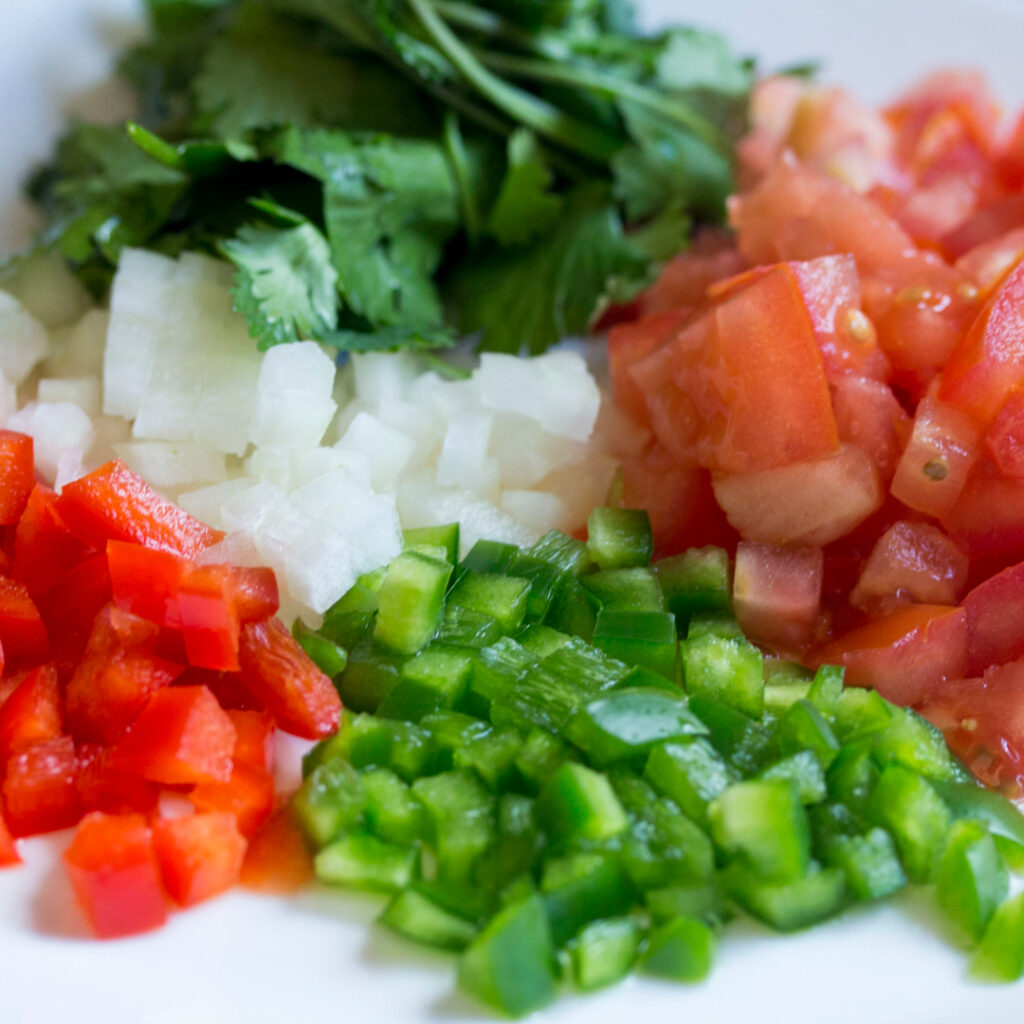
  • Onion
  • Peppers (Jalapeno is most common)
  • Tomato (Red or Green Tomatillos)
  • Cilantro (Unless you dislike it)
  • Salt, Lime Juice and Garlic

Truly it is that simple, although you can experiment with different added seasonings, different peppers, etc.

Variations may also include corn, vinegar,

Some Salsa Pro Tips

  • If you like the salsa less hot, remove seeds and use larger jalapenos
  • More Tomato also will reduce spiciness as well.
  • Some preparations (below) use water which will dilute the salsa more, making it milder.
  • If you like a sweet and spicy variation, honey or agave added to some of the salsa options can make for a nice combination.

In addition to the seven cooking preparation styles below, you can also choose to blend the salsa, smash the salsa with a potato masher so it still has some chunks, or leave it chunky by dicing the ingredients before cooking and then not smashing or blending them after.

Boiled Salsa Preparation

A very common way to prepare salsa is to boil all the ingredients other than the cilantro and some added diced onion. Boiling goes until everything is soft. Usually 10+ minutes. Less water will make the salsa more strong.

Baked Salsa Preparation

When baking salsa in the oven, cover the ingredients and bake for 15+ minutes on medium heat, and then uncover and get a little chare on them for a bit longer at a higher heat. Typically this will have garlic, lime juice and cilantro added after baking.

Grilled or Fired Salsa Preparation

Especially in good weather, it is great to grill your salsa vegetables. Usually, I add a light coating of oil and then put everything on the grill until they are hissing and cracking open, but not overly charred. You can scrap some of the black off before blending.

Pickled Salsa Preparation

Pickled salsa is different in that you do not cook it. Instead, you cut all the ingredients up into small cubes and add a nice amount of fresh lime juice and salt on them. As they sit, this softens up and becomes the “pico de gallo” we all know and love.

Pan-Roasted Salsa Preparation

One easy way to roast the salsa vegetables is to pan roast them. With light oil, simply lay the onions, jalapenos, and tomatoes out and put a lid on the pan. With a medium heat brown them on all sides. Make sure to keep the juice in the pan and add it to the salsa as well.

Instapot Salsa Preparation

With an Instapot or another pressure cooker, you can put all the ingredients in and a small amount of water (the tomatoes will seep juice and add more liquid) and pressurize for a short while. Five to ten minutes will work. The longer you cook the more the chunks will be soft and broken down. Add the cilantro, lime juice and salt to taste at the end.

Rehydrate Salsa Preparation

This method of salsa preparation is similar to boiling, but you take dried peppers such as Chiles De Arbol and you clean them, and soften them back up by boiling them. This method usually includes adding vinegar as well and produces a richer, red salsa that is very spicy.

The beauty of salsa is there is nearly an endless opportunity to combine a few simple ingredients, cooking preparation and post-cooking preparation, which makes salsa with very similar ingredients turn out very differently. Enjoy experimenting and mixing things up. And leave a comment below on how you did some variety of these ideas to create your own delicious salsa.

« Previous Page
Next Page »

Primary Sidebar


Living a GR8TR Life

Fire Prevention In Your Home

Preventable Home Health Problems

Busy Parents Exercise Tricks

Bun Substitutes for Sandwiches

5 Ways To Improve Your Life AND Cut Expenses

Footer

Magazine Resources

  • Contact Us
  • Interview Production

Local GR8TR Today Editions

  • GR8TR Today Magazine Local Editions
  • Local Job Search

Terms of Service

All visitors to this site agree to our Terms of Service. Always consult with a professional before following any advice you find online.

Copyright © 2026 · News Pro on Genesis Framework · WordPress · Log in